
Views: 0 Author: Site Editor Publish Time: 2026-02-05 Origin: Site
For big outdoor events, steady setup and secure conditions matter a lot. As these events get more involved, basic tents by themselves usually cannot handle the needs. Adding trusses to tent setups brings better security, room for creative designs, and solid weight support. That is why this mix stands out as the top pick for major open-air gatherings.
Trusses go beyond looks now. They play a key part in keeping things safe at big events such as concerts and trade fairs. Big tents need more than a simple base to manage heavy weights and weather pressures. Trusses spread the load out evenly. This lowers the pull on the fabric and makes the whole setup stronger against wind or snow. Basic frames work fine for small meetups. However, events with raised parts or lots of gear call for truss support. It stops failures and keeps people safe.
Stability is the primary driver for combining trusses with tents. In regions with extreme weather—heavy rain, strong winds, or snow—standard tents often lack the necessary structural support, particularly in high-side-height designs. Trusses distribute loads evenly across the structure, making them ideal for large, open spaces needed for exhibitions or weddings. This allows for larger spans and taller sidewalls, offering organizers maximum usable space and design flexibility.
At major events, solid build counts most. Trusses give the backing required for big weights, wide reaches, and high walls. They manage the load from hefty gear, light setups, and audio systems. The LP OUTDOORS Clear Span Aluminum Marquee Tent shows this well. It blends power and adaptability to hold big platforms and tricky arrangements safely. Safety stays intact all the way.
To see why they matter, you need to grasp how trusses work in tent builds.
Trusses form triangular bases, usually from aluminum or steel. They spread weight over the tent setup. Builders often place them in the roof to hold the cover and keep things steady. Trusses help make clear-span tents. These have no inside posts. That creates wide open space vital for shows and meetings.
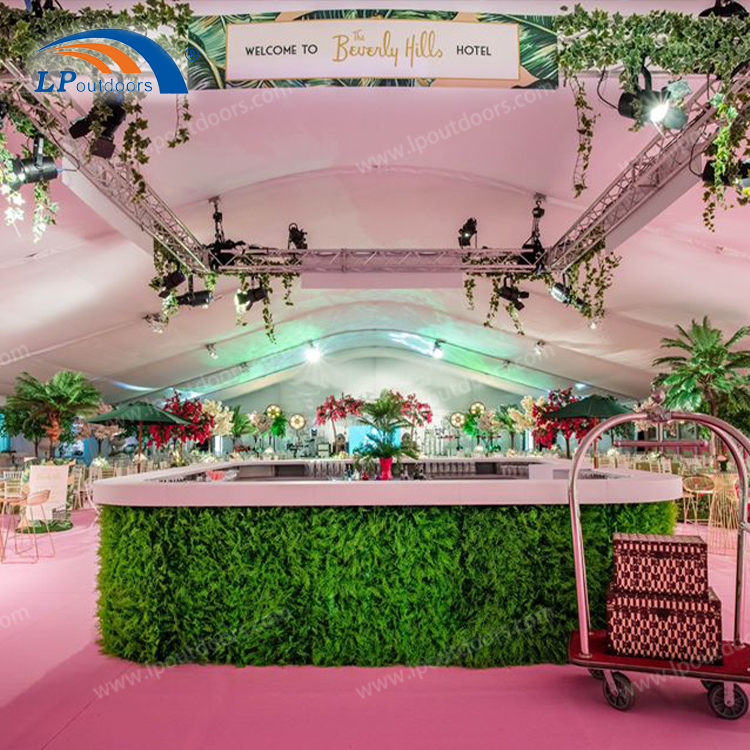
Trusses mainly carry heavy loads. This includes the roof, walls, and items like lights and speakers. They share weight evenly. So, they avoid overload and possible breakdowns. The LP OUTDOORS Arcum Tent uses strong trusses for big reaches. It holds platforms and fancy setups without danger of giving way.
Trusses are triangular frameworks, typically aluminum or steel, that distribute weight across the tent structure. They are often used on the roof to secure the covering and ensure stability. Trusses are key to creating clear-span tents—structures with no internal poles—offering maximum unobstructed space essential for exhibitions and conferences.
Common frames appear often. Yet, they usually fall short for tricky arrangements.
Regular aluminum frames weigh little and save money. But they limit how much weight they take and how far they stretch. Without extra help, they wobble in breezy weather. Trussed tents get a stronger backing. They manage much more weight and bigger stretches. That makes them the better option for events where safety comes first.
Trusses enhance capacity by evenly distributing strain from the roof and equipment across the frame. LP OUTDOORS uses this principle in high-quality aluminum tents to create clear-span structures that support heavy equipment and crowds, ensuring the tent remains secure throughout the event.
Bad weather brings real dangers. Trusses add strength to face strong gusts and stop snow buildup. LP OUTDOORS' clear-span styles use trusses for these tough spots. They fit the changing weather perfectly.
Wide-span tents call for firm bases to hold the roof weight over large areas. Trusses deliver that backing. They allow reaches beyond what normal frames can do. LP OUTDOORS provides clear-span options. They max out usable area without inside posts. This gives a solid base for crowds.
Tents with high sides need added backing to stay steady. Trusses strengthen the building. They stop drooping or falling under stress. LP OUTDOORS' trussed bases suit these high builds. They keep things secure even with tall roofs.
You must use trusses for tents that go high or carry big loads. Gatherings with large platforms or heavy hangs require a setup that handles extra weight. This avoids risks to the build.
During high winds or thick snow, trusses stop breakdowns. They shift weight around and offer firm backing. The tent stays safe and works well.
Trusses back key production parts like lights, audio, and platforms. Their strong weight hold keeps these big setups safe.
In spots with lots of wind, trusses toughen the base to avoid moves. This steady hold matters for keeping a safe spot for guests and gear.

At LP OUTDOORS, we focus on mixed tent-truss fixes. They balance steady build, security, and adaptability.
No two events match. We give options to fit exact build and security wants. This works for concerts or displays alike.
Our setups manage wide reaches and heavy weights. With solid know-how in the field, we deliver firm builds for any event size or setup.
We bring over 12 years of experience as a top 3 aluminum tent maker in China. LP OUTDOORS creates systems to face wild weather and big gear. This guarantees your event goes well.
A: They offer superior stability and load-bearing capacity, essential for safety in large-scale events and extreme weather.
A: Trusses distribute weight evenly, ensuring tall tents remain secure in windy or snowy conditions.
A: Trussed tents are reinforced to handle larger spans and heavier loads than standard frames.
A: Large outdoor events like festivals and trade shows benefit most due to the need for open space and heavy equipment support.
A: While the investment is higher, the advanced structural integrity and safety they provide for large events make them worthwhile.



