
Views: 0 Author: Site Editor Publish Time: 2026-03-12 Origin: Site
Outdoor events now grow more inventive and expansive than in past years. They range from global shows and sports matches to upscale weddings and business product reveals. Planners seek adaptable setups that turn open areas into proper sites. A solid canopy tent holds a key part in this effort.
Picking the correct canopy tent goes beyond just shade or cover. It shapes the event setup, visitor ease, tech setup, and general security amid shifting weather.
At LP OUTDOORS, we have teamed up with event planners across the world since 2005. We supply aluminum marquee tents for shows, big gatherings, and short-term site building. Drawing from actual project work, this guide covers how to select the right canopy tent for outdoor events. It weighs design, purpose, and build safety.
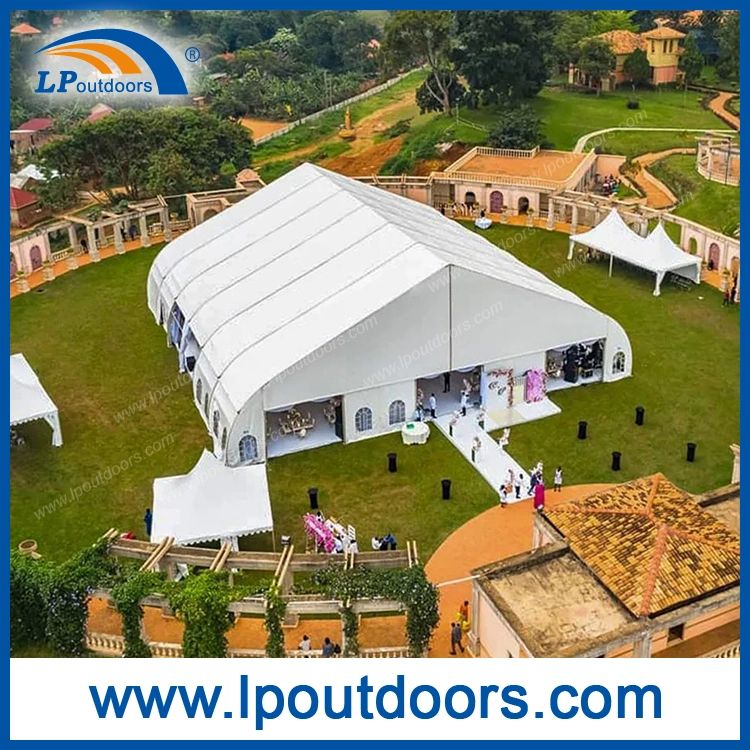
An event canopy tent forms a big short-term structure to make covered spots outside. It differs from tiny foldable tents. Pro canopy tents rely on aluminum frame setups and tough PVC cloth tops to hold crowds and event gear.
A typical canopy tent system includes:
1. High-strength aluminum frame structure
2. Waterproof and flame-retardant PVC roof cover
3. Optional sidewalls, flooring systems, and lighting support
Because these tents use modular components, the structure can be extended in length to accommodate different event sizes.
Outdoor venues often lack permanent facilities. Canopy tents help create temporary environments that protect guests and equipment while maintaining flexible layouts.
They allow event organizers to:
1. provide weather protection from sun and rain
2. install lighting and sound systems
3. Expand venue capacity quickly
4. create branded event environments
Big aluminum canopy tents see wide use at world shows and gatherings. They set up fast and adjust to site needs.
In current event work, canopy tents often pair with truss systems. These builds hold lights, LED walls, speakers, and stage parts.
Canopy tents feature open insides without posts. Thus, they suit stage shows, talks, and product starts without view blocks.
Many firms run outdoor brand starts or promo gatherings with canopy tents. They form short-term booths.
Open-air weddings count on canopy tents for fine meal areas. They shield guests from uneven weather.
Short-term show tents grow display room when fixed halls fall short.
Sports matches and cultural events use canopy tents for crowd seating, VIP spots, and work areas.
Every gathering holds unique demands. Talks need room for platforms and sound gear. Weddings stress meal setups and decor.
Grasping the event goal aids in picking the tent build and add-ons needed.
Tent size planning starts with crowd count.
For gatherings with meal tables, planners usually set aside at least 1.2 square meters per person. This gives space for tables, seats, and paths.
For talks or rites with row seats, the needed area drops to 0.8–1.0 square meters per person.
The site setting also shapes canopy tent choice. Planners must weigh ground kind, access, and fix methods.
Pro tents fix with ground hooks, bolt spreads, or weight holds based on site traits.
Wind force marks a top sign of tent safety. This holds true especially for big open events.
Right roof tilts and drain setups stop water buildup in strong rain.
In cool areas, roof angles must let snow slide away. This avoids heavy loads.
The A-frame tent ranks among the most common event builds due to its firm and steady form. At LP OUTDOORS, A Frame tents suit shows, talks, and meal events.
The open-span build keeps the inside areas free of blocks.
The Curve Tent shows a bent roof line. This brings a fresh build look and better wind hold.
Curve tents gain favor for brand starts, style shows, and fine wedding gatherings.
The Polygon Tent gives taller inside height and room. It fits big crowds like music shows, sports matches, and festivals.
The wide inside lets stage and truss setups blend in with ease.
The Pagoda Tent stands out with its tall top roof. These tents often serve as welcome spots, ticket stands, or entry booths.
Several pagoda tents link to form piece-based event plans.
Event planning calls for space shares not just for crowds but also for work zones and flow routes.
Meal events usually need more area than seated talks.
Event platforms and light gear demand enough open height. Planners must check that the tent height and width fit tech setups.
Even tent sizes boost both build work and event plan flow.
Aluminum canopy tents support piece-based growth. This makes it simple to widen the build if the event size rises.

Aluminum mix frames join firm strength with light weight. At LP OUTDOORS, aluminum builds offer lasting use while easing moves and setups.
Pro canopy tents generally use PVC-covered polyester cloth. It brings water shield, fire hold, and lasting strength.
Big event tents face nature forces. Strong bars, firm fixes, and build braces aid in keeping steadiness.
For long events or half-fixed setups, builders must note weather traits and build weights.
Sidewalls boost weather guard. Clear roofs let sunlight into the tent area.
Floor setups give steady bases for crowds and gear. They also raise safety.
Light trusses let event groups set up stage lights, speakers, and LED walls inside canopy tents.
Big canopy tents can add cooling systems, decor tops, and lighting parts. This forms cozy event spots.
Truss setups give the build hold needed for stage lights and show gear.
Pro canopy tents offer the height and open inside room for tough sound and sight setups.
Event planners frequently mix talk areas, meal parts, and chat zones in one tent plan.
Teaming with skilled makers ensures event tents fit safety rules and use needs.
LP OUTDOORS will also take part in the 2026 ARA Show in the United States this March. This ranks as one of the top shows in the event and gear field. The show highlights new ideas in short-term builds, event work systems, and canopy tent tech.
Guests can check fresh canopy tent answers and learn about open event site features.
A: Pick the top canopy tent by event kind, crowd size, site traits, and weather setting. Pro aluminum canopy tents bring peace, flexibility, and build firmness for shows, weddings, and business gatherings.
A: Big open events commonly use open-span builds like A Frame tents, Curve tents, or Polygon tents. They offer a broad inside room without inside posts.
A: For meal events with round tables, planners usually set aside at least 1.2 square meters per person. For talks with chair rows, about 0.8–1.0 square meters per person works.
A: Pro canopy tents often use aluminum mix frames with PVC polyester cloth tops. They provide lasting use, weather hold, and fire-safe work.
A: Gathering planners pick makers with solid build skill and world project ties. LP OUTDOORS offers aluminum canopy tents for shows, weddings, festivals, and big open events around the world.



